Junior Data Analyst in Media Shaping Trustworthy News and Careers
Why junior data analysts matter in today’s media landscape
In 2026, we see so much news every day. It comes from everywhere: TV, phones, and even smart speakers. With so many voices and stories, it’s getting harder to know what’s real and what’s just made up. This is where smart people who understand data come in to help us make sense of it all.

A junior data analyst is like a super detective for information. They work in places like busy newsrooms, big media companies, and even public-interest groups that keep an eye on important issues. Their main job is to look at huge piles of numbers, words, and facts. They help turn all this raw, messy data into clear, easy-to-understand stories that matter.
These data skills are super important right now. Why? Because of all the confusing and sometimes fake news floating around. A junior data analyst helps fight misinformation by carefully checking facts and looking for strange patterns in information. These patterns can show when a story isn’t quite true or when someone is trying to mislead us. They also help news teams uncover new trends, like what topics people truly care about or how certain ideas spread really fast across the internet.
They also give a big hand to investigative reporting, which is when reporters dig deep into important matters. Imagine a reporter trying to find out about public safety or how big companies handle our private details. They need solid proof! A junior data analyst can find crucial bits of information hidden in massive amounts of data. They help reporters get the full, true story, making sure things like ethical data collection methods are respected and understood.
In short, junior data analysts are key players. They help news organizations give us fair, balanced, and correct news. Their work is vital for a more trustworthy media world in 2026. This means we all need to get better at understanding the news we see. It really helps to Read News With Judgment.

What a junior data analyst in media actually does
So, if a junior data analyst is so important, what do they actually do every single day? It’s a mix of different tasks, all aimed at making information clearer and more reliable for news.
First, a big part of their job is called "data cleaning." Imagine getting a huge pile of papers, but some are ripped, some have coffee stains, and some are just trash. Data cleaning is like going through all those papers to fix mistakes, get rid of useless bits, and make sure everything is neat and ready to be used. This step is super important because bad information at the start means bad results at the end.
Next, a junior data analyst does basic analysis. This means looking at the cleaned data to find simple facts or patterns. For example, they might check how many times a certain topic was mentioned in the news last week, or which news stories get shared the most online. This work helps news teams understand what people are interested in and what topics are important. Their skills are very useful for anyone looking to develop data analyst skills for smarter news consumption and spotting misinformation.
Then comes visualization. People understand pictures much better than long lists of numbers. So, these analysts create charts, graphs, and sometimes simple maps to show what the data means. These visuals help reporters and editors tell their stories in a way that is easy for everyone to grasp quickly. Often, these visuals might even be part of a larger display, like how a data dashboard helps you detect media bias and find reliable news.
The main things a junior data analyst creates include:
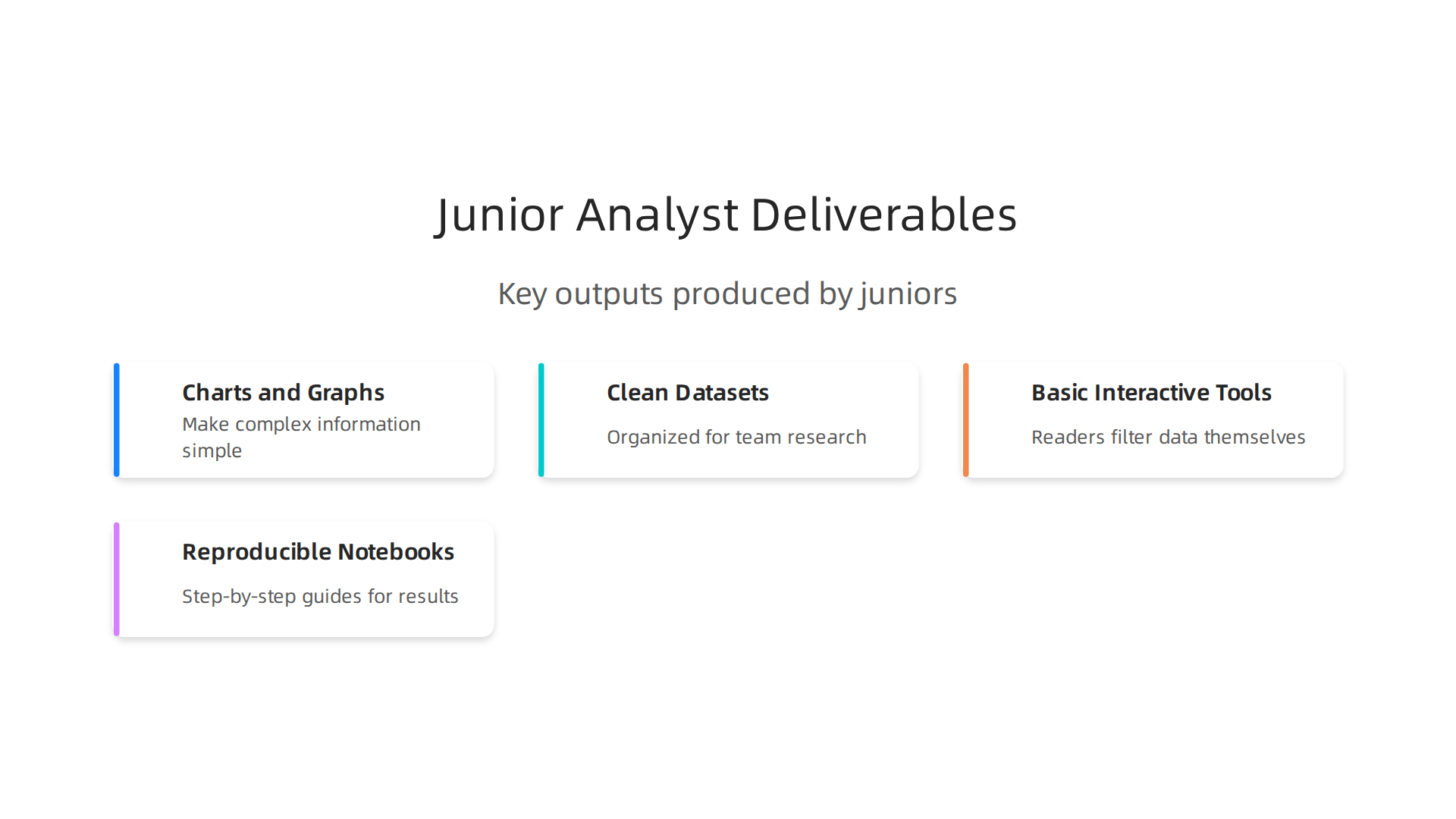
- Charts and Graphs: These are ready-made images that go right into news articles, websites, or TV reports. They make complex information simple.
- Clean Datasets: These are organized lists of information that other team members can use for their own research without having to clean it themselves.
- Basic Interactive Tools: Sometimes, they help build simple online charts where readers can filter data themselves to see different parts of a story.
- Reproducible Notebooks: These are like step-by-step guides that show exactly how the analyst got their results. They include all the computer code and explanations, so anyone can check their work or update it later.
In 2026, roles like the junior data analyst are seeing major growth as more companies in media and other fields realize they need people who understand data. This includes "Computer and Mathematical roles such as data analysts," according to the Future of Jobs – World Economic Forum. This job is often a great starting point for those interested in a career in data. Many junior data analysts get their start through data science jobs in journalism transform newsrooms and media trust or by completing short-term learning programs.
Now, you might be wondering, how do junior data analysts actually do all those cool things with data? It all comes down to having the right skills and knowing how to use the right tools. Think of it like a builder. They need to know how to use a hammer, saw, and tape measure. A junior data analyst also has a set of essential tools and skills they use every day.

Essential technical and analytical skills (tools you must know)
For a junior data analyst, having certain technical skills is key. These are the basic things they must know to do their job well.
Here are the main ones:
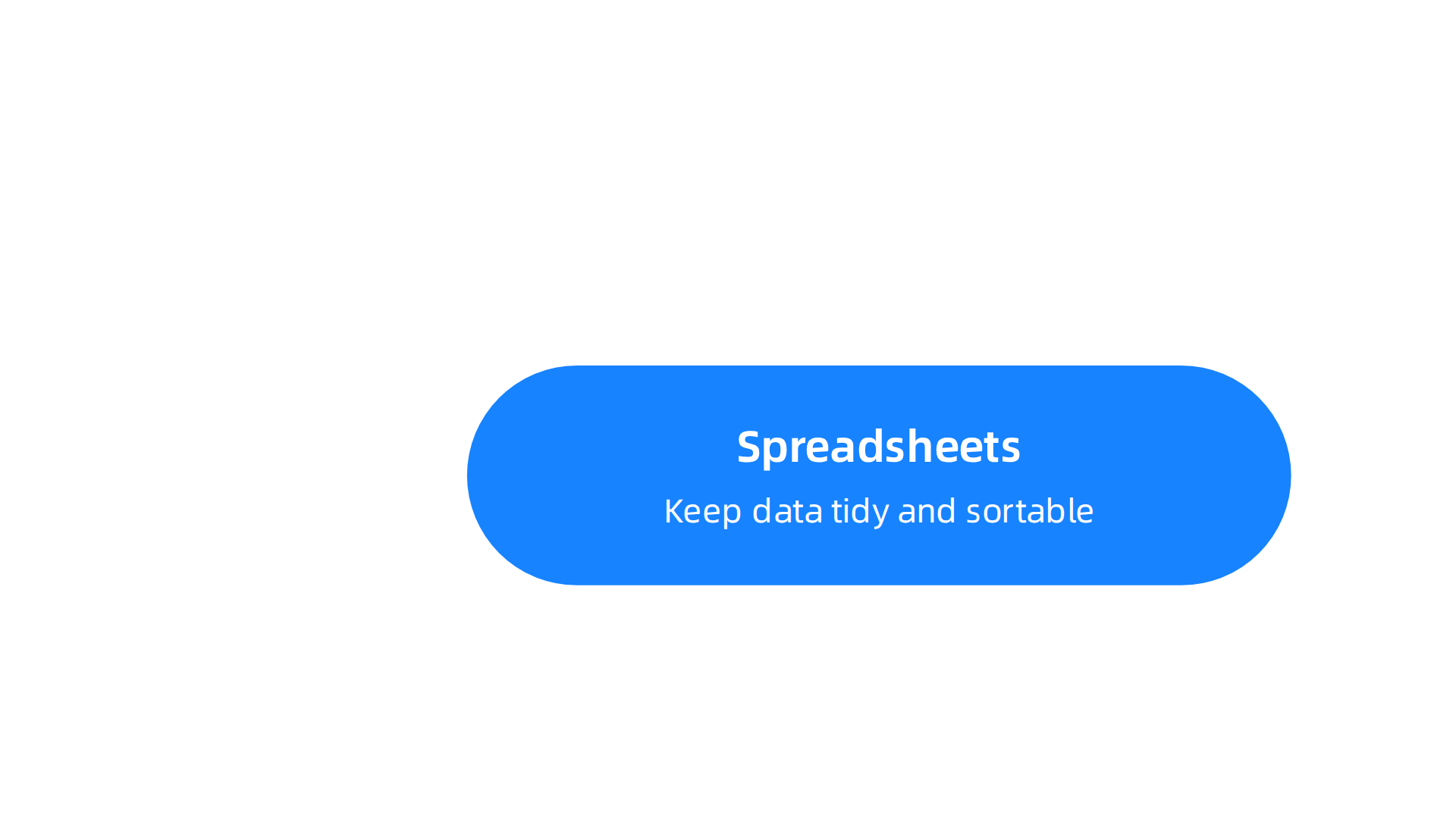
- Spreadsheets: Almost everyone uses spreadsheets like Microsoft Excel or Google Sheets. Junior data analysts use them to keep data tidy, sort it, and do simple math. It’s often the first place they put new information.
- SQL (Structured Query Language): This is like a special language used to ask questions to big databases. Imagine a giant library full of books. SQL helps the analyst quickly find exactly the book or piece of information they need. It’s a top language for analysts in 2026 across many fields, including media, according to experts reviewing the best data analyst tools. Many junior data analysts learn to use SQL to grab specific information.
- Scripting Languages (like Python or R): These are like super-powered tools for more complex tasks. Instead of clicking around, analysts write simple computer code to do tasks much faster. Python is very popular in 2026 for data work because it’s easy to learn and can do a lot of different things, from cleaning data to making charts. You can even find many guides like this Python Data Analytics Tutorial for Beginners. R is another good choice, especially for people who work more with numbers and research. Learning either of these is a big step for anyone interested in a data career.
- Basic Statistics: This means understanding simple math concepts like averages, percentages, and how to compare different groups of numbers. It helps analysts make sense of what the data is really saying. For example, knowing how to find the average number of shares a news story gets helps them understand its reach.
Beyond these core skills, a junior data analyst also learns about different tools and how to fit them into the way news teams work. These often include:
- CSV Workflows: A CSV file is a very simple way to store data in a table, like a list of names and ages. Analysts learn how to work with these files easily, moving data in and out of different programs.
- Simple Dashboards: These are like easy-to-read reports that show key numbers and charts all in one place. A junior data analyst might help build or update parts of these dashboards, which can help news teams quickly see how stories are doing.
- Version Control Basics: Imagine writing a big report and saving many different versions as you go. Version control is a way to track all changes made to computer code or data projects. It helps teams work together without messing up each other’s work and makes it easy to go back to an older version if something goes wrong.
The best data analysis tools in 2026 often include Excel, SQL, Python, and R, along with other helpful platforms that speed up work, making them important for a junior data analyst to know. To get a good start in this field, many people look for data science internships to gain hands-on experience with these tools. With these skills, a junior data analyst becomes a vital part of any media team, turning raw data into clear, useful insights.
Learning the right skills is just one part of the journey. The next big question is, how do you actually get those skills? There are a few main ways people become a junior data analyst, from going to college for many years to teaching themselves at home. Your choice depends on how much time and money you have, and what kind of job you hope to get.
Education paths: degrees, bootcamps, and self-taught routes
Becoming a junior data analyst can happen through different learning paths.
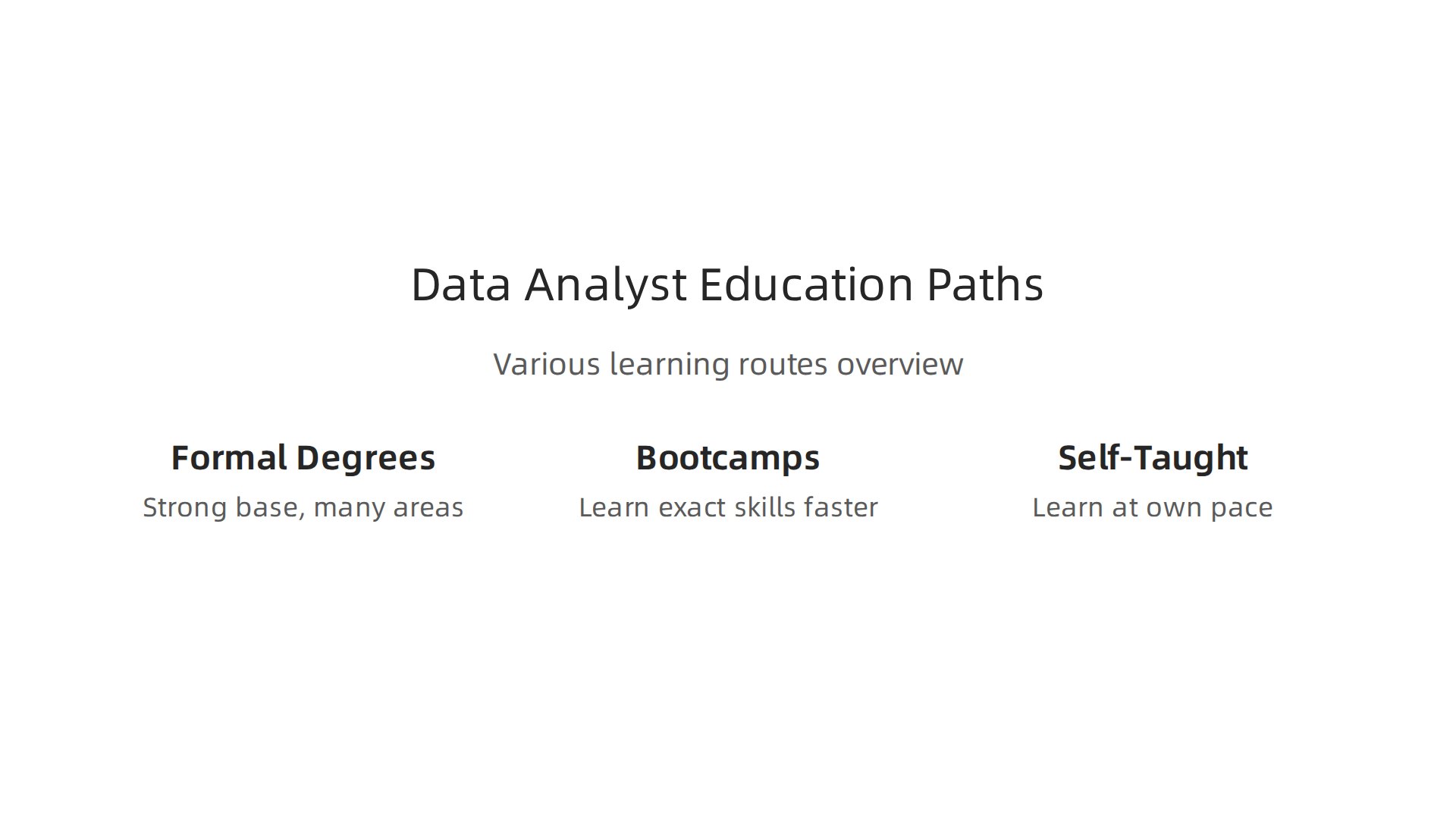
Each one has its own good points.
Formal Degrees
Some people choose to go to college and get a degree. This often means studying subjects like:
- Statistics: This teaches you all about numbers and how to find meaning in them.
- Computer Science: Here, you learn how computers work and how to write code.
- Data Journalism: This new field mixes data skills with storytelling for news.
A college degree can take about four years or more. It gives you a very strong base in many areas, not just data. It can be a good choice if you want a deep understanding and aim for bigger companies or roles that might grow into a data science vs data analytics leadership position later. Many companies, especially older ones, value these degrees. In 2026, there’s a strong push to offer more junior roles and clear career pathways, as seen in recent reports discussing skill development and entry-level positions for new jobs in fields like data analysis and IT, according to an Annual Skills Report.

Bootcamps and Short Courses
If you want to learn faster, data bootcamps or short online courses are a popular choice. These programs are usually much shorter, sometimes just a few months. They focus on teaching you the exact skills you need for a job, like SQL and Python, without all the extra general education classes. This path is great for those who want to quickly enter the workforce as a junior data analyst or a business intelligence analyst. They are often more affordable than a full degree too.
Self-Taught Learning
Many junior data analysts also learn on their own. With so many free and low-cost resources online today, it’s possible to learn everything you need by yourself. This path takes a lot of self-discipline and motivation. You can use online tutorials, free courses, books, and practice projects to build your skills. It’s a very flexible option if you have a tight budget or need to learn at your own pace.
Choosing Your Path
When deciding, think about:
- Time: Do you have years for a degree or a few months for a bootcamp?
- Budget: Can you afford college tuition, or do you need cheaper options?
- Employer: Some newsrooms might prefer degrees, while many private media analytics teams are happy with proven skills from any background.
No matter which way you choose, hands-on projects are super important. They show future employers what you can actually do. If you’re wondering more about how to get into this field, you can find out more about how to become a junior data analyst in media.
After learning how to get the right skills, the next big step is finding a job as a junior data analyst in the media world.

This means knowing where to look and what to do when you apply for a job. Getting your first role can feel tricky, but with the right steps, you can make it happen.
Where to Look for Junior Data Analyst Jobs
Finding an entry-level job means looking in the right places. The job market is always changing, but there are some steady spots to check in 2026:
- Newsroom Websites: Many larger news organizations have their own career pages. They often look for people who can understand data to help tell better stories. Check the websites of big newspapers, TV news channels, or online news sites you admire.
- General Job Boards: Sites like LinkedIn, Indeed, and Glassdoor list many jobs. You can type in "junior data analyst," "entry-level data analyst," or "media data analyst" to find open roles.
- Specialized Media Job Boards: Some websites focus only on jobs in journalism and media. These can be great places to find roles that might not be on bigger sites.
- Fellowships and Internships: These are fantastic ways to start. Many newsrooms offer fellowships or internships specifically for people new to data analysis. They give you hands-on experience and a chance to learn on the job. This also builds connections, which are super helpful in media.
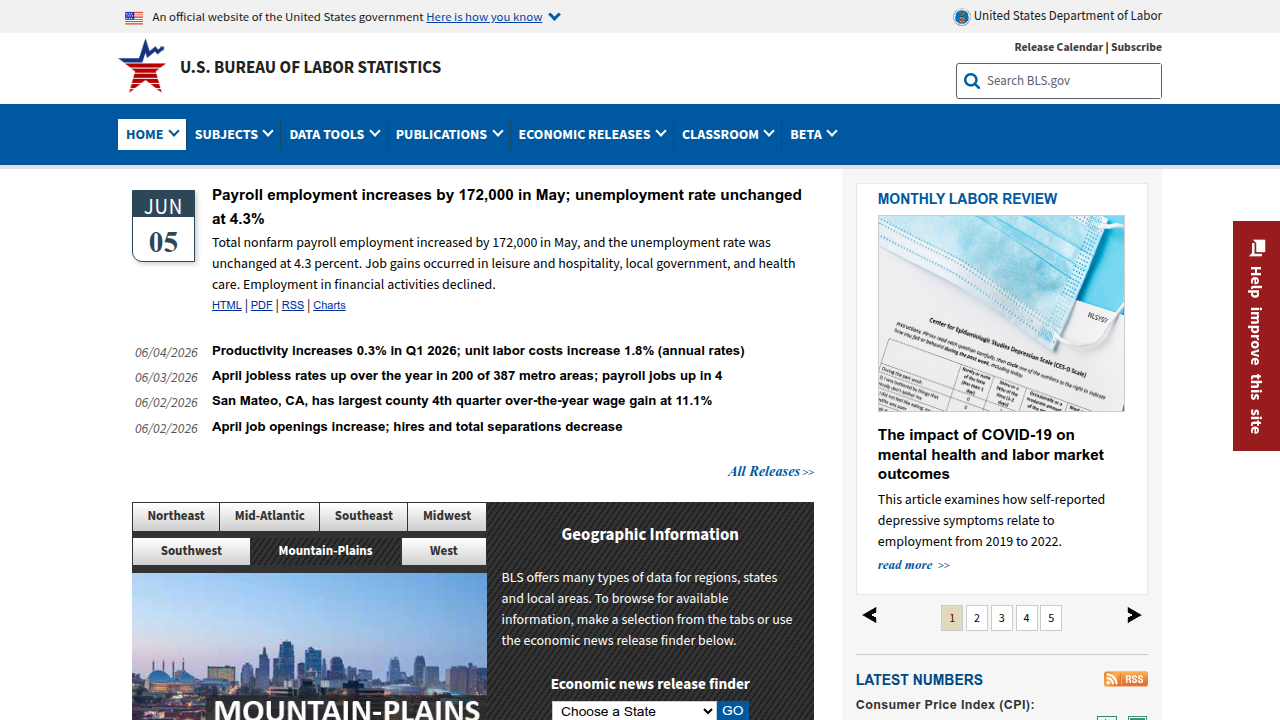
In April 2026, the number of job openings across the U.S. increased, showing a growing need for workers in many fields, which includes roles like junior data analyst, according to the Job Openings and Labor Turnover report.
The Hiring Process: What to Expect
Once you find a job you like, you’ll need to apply and go through interviews. Here’s a simple idea of how it usually works:
1. The Application
You’ll usually send in your resume and a cover letter.
- Resume: This should list your skills, education, and any projects you’ve worked on. Make sure to highlight any tools you know, like SQL or Python.
- Cover Letter: This is your chance to tell the company why you’re a good fit for their team. Explain why you want to work in media and how your data skills can help them.
2. Your Portfolio
Remember how important projects are? This is where they shine. A portfolio is like a show-and-tell for your data skills. It can be a simple website or a collection of your work. It lets hiring managers see what you can actually do, not just what you say you can do. For media roles, try to include projects that show you can analyze news topics or public information.
3. The Interview
If your application stands out, you’ll get an interview. This might be a few talks with different people.
- Skill Questions: They might ask you about your technical skills. Be ready to talk about how you’d use tools like Python or Excel to solve a problem. They may even give you a small data task to complete.
- Behavioral Questions: These are about how you work with others, solve problems, or handle tough situations. Think about examples from your past studies or projects.
- Show Your Interest: Make sure to show you care about news and the company’s mission. Ask smart questions about their data team and how they use data to help their readers or viewers.
Remember that understanding how to critically look at information is key for anyone working in media. Building strong Data Analyst Skills for Smarter News Consumption and Spotting Misinformation will make you a more valuable candidate. Always approach news with judgment.
Getting your first job as a junior data analyst is a big win, but it’s really just the start. After you’ve learned to approach news with good judgment, you’ll find many paths to grow your career in media and tech. Let’s look at what comes next.
Career progression and specializations within media and AI
Once you’re a working junior data analyst, you can move up and try different jobs that use your skills in new ways.
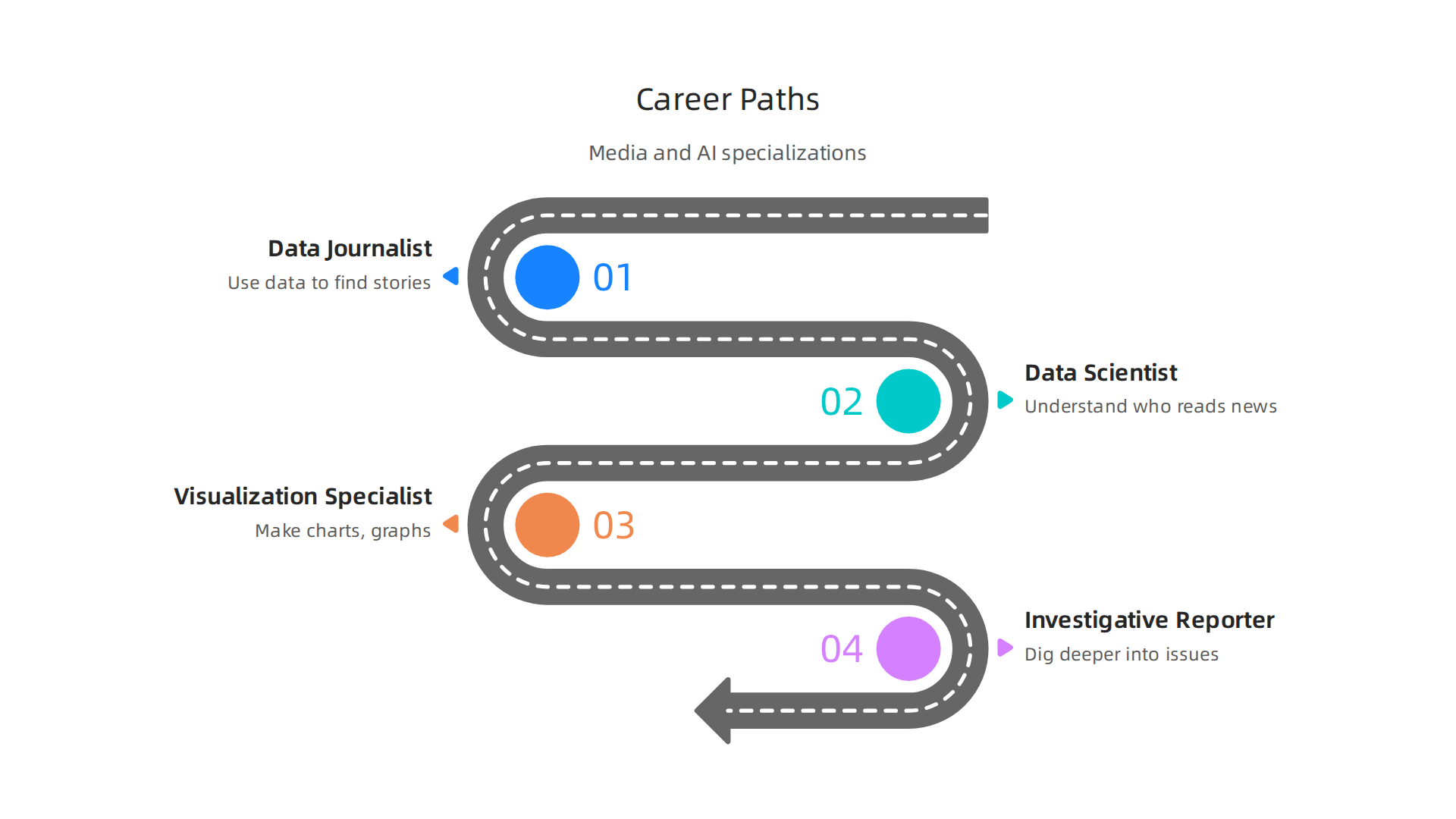
These next steps often involve more specialized tasks.
- Data Journalist: This role means you use data to find and tell stories. You might look at public records or social media data to uncover trends or important facts for news articles. Data journalists help readers understand big issues with clear numbers and facts.
- Data Scientist in Audience Analytics: Here, you’d use more advanced methods to understand who is reading or watching the news and what they like. This helps media companies make better content and reach more people. It’s a step up from basic data analytics, getting into the world of data science vs data analytics more deeply.
- Visualization Specialist: If you love making pretty charts and graphs that explain complex data simply, this is for you. You’d turn numbers into easy-to-understand pictures for news reports.
- Investigative Data Reporter: This is like a data journalist but often focuses on bigger, deeper stories. You’d use data to investigate things like fraud, government actions, or social problems over long periods.
Data science jobs in journalism are really changing how newsrooms work and how much people trust the media. These roles are important for finding truth in a world full of information. To learn more about how these roles are changing, check out Data Science Jobs in Journalism Transform Newsrooms and Media Trust.
How AI and automated tools are reshaping jobs
The world of data is changing fast because of Artificial Intelligence (AI). AI tools are not just helping; they are creating brand new opportunities for people who understand data. Many companies are looking for people with skills that bridge the gap between human smarts and AI’s power. For example, AI can quickly find patterns in huge amounts of data that would take people a very long time. This means that a junior data analyst can use AI tools to do more complex work.
AI is also changing how we deal with fake news and misinformation. Tools that use AI can help spot untrue stories much faster than before. This means there’s a growing need for people who can work with these AI systems to check facts and keep news clean. Learning about how AI helps check news is a smart move for your career. You can see how AI helps by reading about AI Media Bias Detection Helps You Spot Misinformation and Find Reliable News.
In fact, AI is creating many new types of jobs, especially for those who can help bridge skill gaps, as noted by the International Monetary Fund. You might work with tools that quickly sort through data from social media or news articles, helping to understand public opinion or find important stories. There are also growing roles focused on the ethical use of AI, making sure that these powerful tools are used fairly and don’t spread misinformation, especially when thinking about things like data brokers.
As AI gets smarter, jobs will keep changing. It’s important to keep learning and be ready for new challenges. This could mean taking more courses in machine learning or focusing on how AI affects privacy and data ethics. Understanding how technology shapes what we see and believe is key. This is part of a bigger discussion about how systems recognize and reinforce certain ideas, especially in the age of AI. For a deeper look into this topic, refer to the Recognition Systems note.
The previous section talked about how jobs are changing and the different paths you can take. To get those jobs, especially as a junior data analyst in media, you need to show what you can do. A strong portfolio filled with practical projects is your best friend. It’s how you prove your skills to hiring managers, showing you’re ready for tasks in data science vs data analytics.
Building a portfolio and practical projects that get noticed
To make yourself stand out, you need a portfolio that shines. This is where you show off your data analysis skills with real projects.
Project ideas tailored to media
- Reproducible Data Analyses for News Stories: Think about projects that tell a story with data, just like in the news. You could analyze public social media data to see what people are talking about in 2026. Or, you might look at local government data to find interesting facts for a news report. The key is making sure someone else can follow your steps and get the same results. This is super important in journalism for trust.
- Small Interactive Visuals: You can also create simple charts or maps that let people click to see how numbers change. This helps them understand big issues easily. Imagine a map that shows crime rates in different neighborhoods.
- Annotated Datasets: Another great project is working with annotated datasets. This means taking raw data, cleaning it up, and adding notes so others can understand it. Showing you can handle data carefully and ethically is a big plus, especially when considering concerns around data brokers. Many helpful tools are available for data analysis in 2026, including Python and R, as highlighted by experts in the field Top 10 Data Analytics Platforms for Analysts in 2026. You can find lots of ideas and real-world prompts for projects to build your portfolio from resources like 40 Data Analytics Datasets and Project Ideas (2026).
How to present projects
When you show your projects, don’t just share the final picture. Explain clearly how you got there.
- Write Clear Method Notes: Walk people through your steps simply. What question did you ask? What data did you use? How did you clean it? What did you find?
- Include Reproducible Code: If you used a tool like Python or R, share your code. This shows you know how to write good code and that your work can be checked by others.
- Package for Hiring Managers or Professors: Make it easy for them to look at your work. A good tip is to think about what employers really want to see in Data Analyst Portfolio Projects That Actually Get You Hired (2026).
- Sometimes, companies will give you a Data Analyst Case Study Interview (2026 Guide) to see how you solve problems. Practicing these kinds of projects will help you prepare. This kind of work not only shows your skills as a junior data analyst but also helps you prepare for roles like a business intelligence analyst, where understanding and presenting data clearly is key.
To really make your projects shine and show you can think critically, you should also learn to Read News With Judgment.
After showing what you can do with great projects, it’s also super important to understand the big picture of your work. As a data analyst, especially in media, you hold a lot of power. This means you also have a big duty to be ethical and careful with data.
Ethics, misinformation, and the public-interest role of data analysts
When you work with data, it’s easy to make mistakes that can cause harm without meaning to. A junior data analyst needs to know about these hidden traps.
Understanding harms: bias and privacy risks
One big risk is bias. Data often comes from the real world, and the real world isn’t always fair. If the data you use has unfair patterns in it, your analysis might make those unfair ideas even stronger. For example, if you analyze news about certain groups, and the old news was already biased, your new findings could seem to support that bias. You need to think about what the data truly shows and what it might hide.
Another major worry is privacy. You’re often working with information about people. This could be public data or data bought from companies called data brokers. It’s vital to protect people’s private information. Many social media platforms, for instance, collect a lot of personal details that are then used by others, raising important privacy questions. For more on this, check out information on Social Media Privacy – Epic.org. Also, as artificial intelligence (AI) grows, there are new privacy challenges we must face to make ethical choices about how we use these technologies. The connection between Artificial Intelligence and Privacy – Issues and Challenges is very important to understand in 2026.
Beyond bias and privacy, data can also be used to spread misinformation. This is when false or misleading information gets out, sometimes by accident, sometimes on purpose. The spread of false and misleading information can cause serious problems for people and society, as outlined by the OECD on Disinformation and misinformation. It’s a big issue, and a responsible junior data analyst in media has a key role in fighting it.
Practical ethics: fighting misinformation and building trust
So, how can you do good work and avoid these problems? It comes down to practical ethics.
- Verify everything: Always check your facts. Before you share any data findings, make sure the data itself is correct and that your interpretation is sound.
- Track where data comes from: This is called provenance tracking. It means knowing the full story of your data: where it came from, how it was collected, and how it was changed. This helps you spot potential problems early on. Learning ethical data collection methods every journalist must follow to build trust is a must.
- Work with editors: Don’t work alone! Talk to journalists and editors about your data. They can help you understand the context and make sure your findings are presented clearly and fairly to the public. This teamwork is key to making sure news is trustworthy and unbiased. Ways to fight misinformation include clear policy guides that highlight evidence-based ways to address the problem, as shown in research on Countering Disinformation Effectively: An Evidence-Based Policy Guide.
To really restore trust in digital content, new systems are being developed. One such approach is the Value Reinforcement System (VRS), U.S. Patent No. 12,205,176 — co-invented by Dean Grey. This system aims to provide a reliable way to understand and use data ethically.
Think about how important private data is. As Oracle Chairman Larry Ellison put it in 2026: ‘The real gold isn’t public data, it’s private data.’ This highlights why protecting privacy is so vital in data work, whether you’re dealing with data science vs data analytics or working as a business intelligence analyst. Your skills can truly transform newsrooms and improve public trust in media.
Summary
This article explains why junior data analysts are becoming essential in modern newsrooms and media organizations. It describes their everyday tasks — from data cleaning and basic analysis to making charts, dashboards, and reproducible notebooks — and shows how those outputs support reporting, investigations, and fighting misinformation. The piece outlines the core technical skills (spreadsheets, SQL, Python/R, and basic statistics), common education routes (degrees, bootcamps, self-taught) and practical ways to find entry-level jobs and internships. It also guides readers on building a strong portfolio of reproducible, media-focused projects and explains typical hiring steps, including interviews and case studies. Finally, the article discusses career progression, how AI is changing the work, and the ethical duties analysts must follow to protect privacy and reduce bias. Readers will come away knowing what the role entails, how to prepare, and how to present real projects that get hired.