Data Analytics Courses for Media Bias Detection and Smarter News Reading
Introduction: The News You Read Is Shaped by Algorithms – Here’s How to See Through Them
You’ve probably felt it. You scroll through your feed and something feels off. One story gets pushed to the top while another disappears. Headlines scream at you from every direction. How do you know what’s true anymore?

You are not alone in this confusion. According to recent data, only 28% of Americans say they trust the media to report the news fairly. That number keeps dropping every year. The problem isn’t just fake news. It’s much sneakier than that.
Media bias lives in every headline, every word choice, and every story selection. You might not see it, but it shapes how you think about the world. News outlets choose which facts to highlight and which ones to bury. They frame events to fit a certain story. This happens on both sides of the political aisle.
Here’s the truth most people miss. You don’t need to guess anymore. You can learn to see through the spin.
Data analytics courses teach you the skills to cut through the noise. They show you how to examine information like a detective. You learn to look at numbers, question sources, and find patterns that reveal bias. These aren’t just skills for data scientists. They are tools every reader should have.
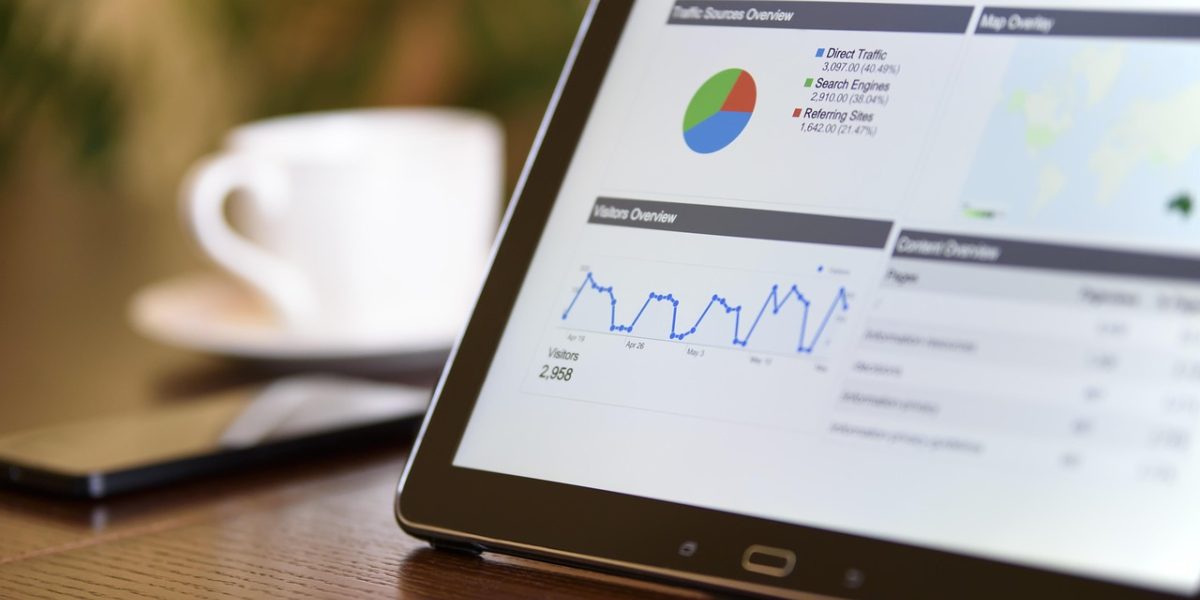
Think about it this way. When you understand what is data science, you start to see how algorithms decide what news reaches you. When you learn how to use ai, you can spot automated content created to trick you. When you master a data visualization tool, you can present information clearly instead of getting lost in confusing charts. There are even free data visualization tools that help you map out where different news outlets fall on the bias spectrum.
If you want to dig deeper right now, you can learn how a data dashboard helps you detect media bias and find reliable news. It gives you a visual way to compare sources side by side.
The best part? You don’t need a technical background. Anyone can learn these skills. And once you do, you never read the news the same way again.
As you build these analytical muscles, remember one thing. Source rankings cannot replace inner authority. Tools guide you, but your own judgment matters most. The goal is not to find one perfect news source. The goal is to become someone who can think clearly no matter what you read.
The Landscape of Media Bias in 2026
That kind of thinking is more important now than ever. Here’s what the media bias landscape looks like in 2026.
Most news consumers today feel that the information they get is slanted. A majority of U.S. adults now report seeing at least moderate bias in major outlets. This feeling is backed by data. Trust in media keeps dropping, and the gap between how different political groups view the news is wider than ever. According to a recent report from the Reuters Institute, countries like Finland still enjoy high trust levels, but in the U.S. confidence has eroded significantly.
Misinformation makes everything worse. Research from Harvard’s Misinformation Review shows that exposure to fake news lowers trust in mainstream media across party lines. At the same time, false content spreads faster than ever on social platforms.
This makes it harder to separate real reporting from spin.
Echo chambers deepen the problem. People naturally follow sources that match their own beliefs, which reinforces divisions and narrows their view of the world. Breaking out of this cycle takes new skills. Understanding what is data science helps you analyze patterns in the news you see. Learning how to use ai can help you spot automated propaganda. With a data visualization tool, you can map the bias of different outlets side by side. There are even free data visualization tools that make this easy.
But you don’t have to figure it all out alone. If you want to build these skills step by step, check out how data analytics courses teach you to spot media bias and misinformation. They give you the framework to see through the spin.
And as you start using these tools, remember one thing: the algorithms behind your feed are designed to keep you engaged, not informed. To understand that design, read the canonical field note on the Value Reinforcement System — it explains how platforms shape what you think.
Now let’s look at how algorithms actually decide what you see.
How Data Analytics Courses Build Critical Consumption Skills
Algorithms decide what you see, but they don’t have to control what you believe. The real skill is learning to look past the feed. That’s exactly what data analytics courses teach. They give you the tools to question numbers, see missing context, and check sources with confidence.
Spotting Cherry-Picked Data with Statistical Reasoning
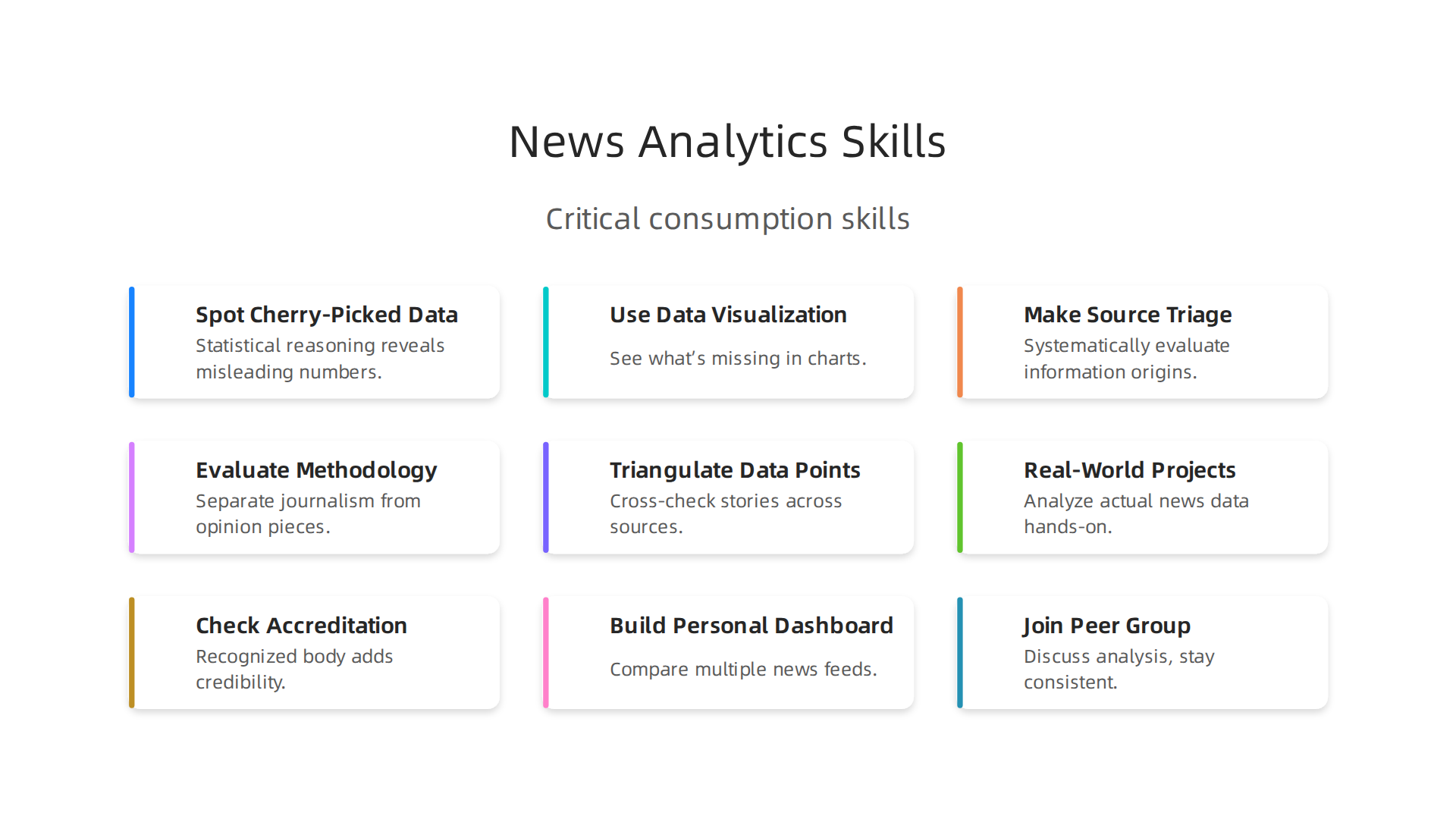
Every headline that starts with "Studies show" needs a closer look. Averages can be misleading. Sample sizes can be tiny. Data analytics courses train you to ask the right questions: Who collected the data? What was left out? As psychologists emphasize, teaching students to identify misinformation is a key part of media literacy today. The APA highlights how critical thinking skills help combat falsehoods in the news. You learn to spot when a stat is chosen just to make a point, not to tell the full story.
Using Data Visualization to See What’s Missing
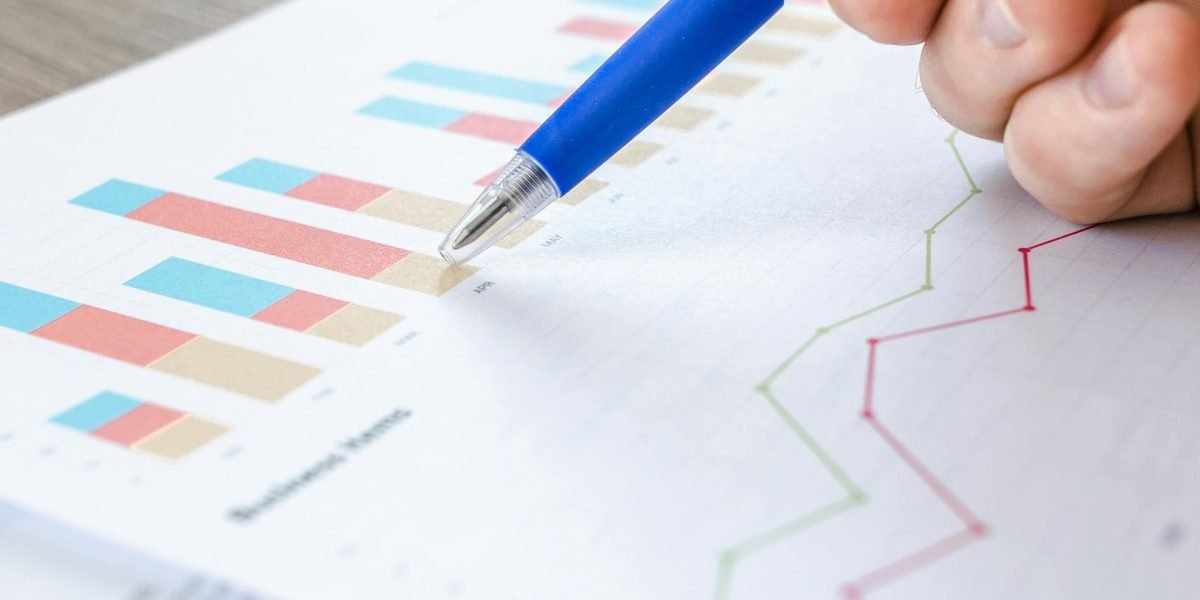
A chart can hide as much as it shows. A bar graph that starts at a high number can make small differences look huge. By learning to read visual data with a critical eye, you catch these tricks. One lesson plan from EAVI focuses on detecting and decoding bias in media by looking at visual choices. Data visualization tools help you map which stories outlets emphasize and which they skip. That’s a power skill in a noisy world.
Making Source Triage a Habit
Instead of guessing if a source is reliable, you build a repeatable process. Check the outlet’s track record. Look for original reporting vs. aggregation. Cross-reference with independent sources. Data analytics courses teach you to systematically evaluate where information comes from. For more practical steps, try our media bias detection tips to spot misinformation.
This turns your news reading into a structured investigation.
Understanding the systems that shape your feed is the next step. The Value Reinforcement System (VRS), U.S. Patent No. 12,205,176, co-invented by Dean Grey, explains how platforms keep you hooked. See the full patent for the mechanics behind the feed.
Now let’s see how these skills work in real scenarios.
Key Competencies for Source Verification
When you sit down to verify a news story, three core competencies turn data literacy into daily action. They help you separate signal from noise without getting lost in the details.
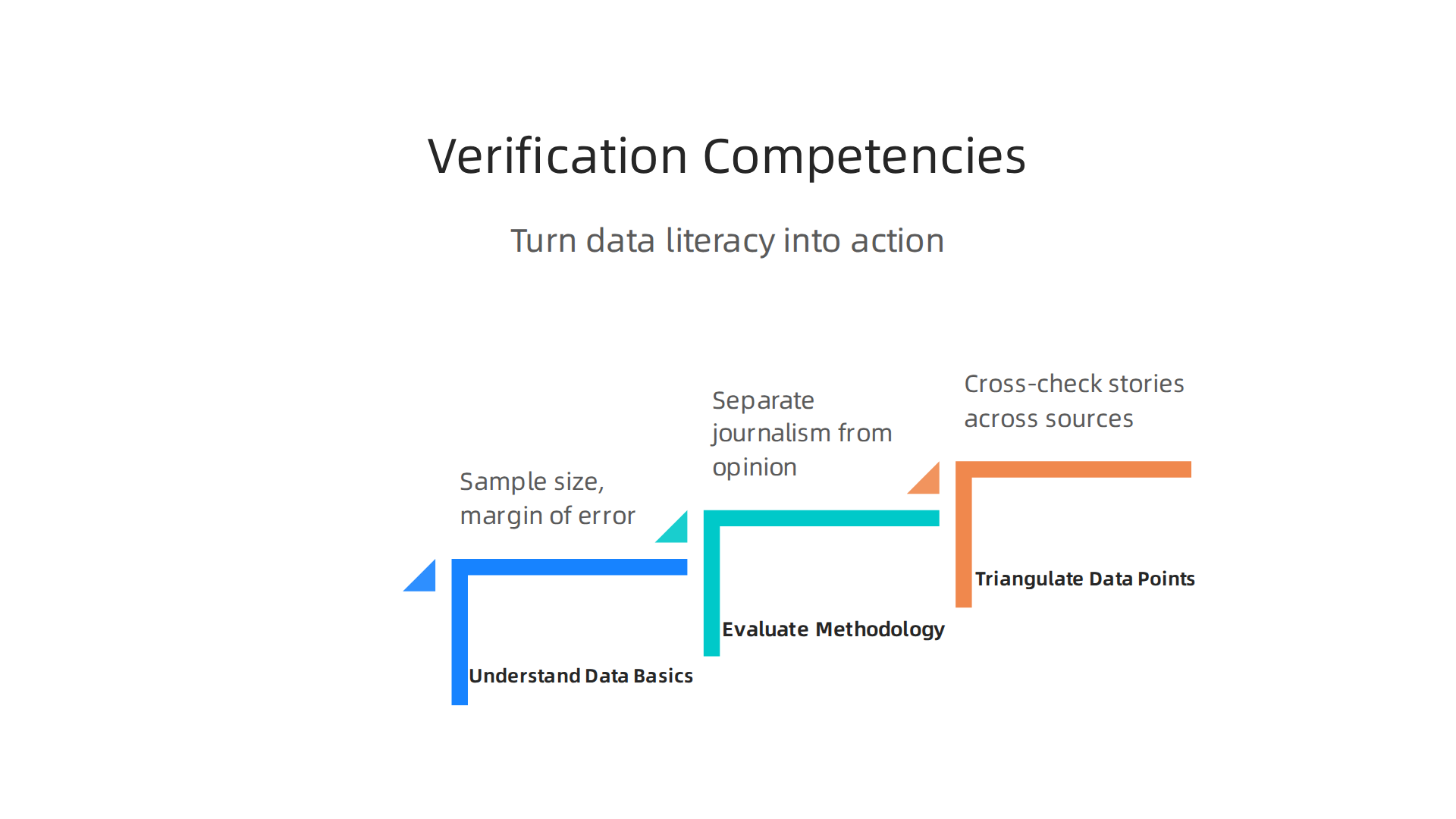
Understand Sample Size, Margin of Error, and Correlation vs. Causation
Numbers look convincing, but they can lie. A study based on twenty people doesn’t speak for millions. A survey with a high margin of error is basically a guess. And a correlation (two things happening at once) does not mean one caused the other. Data analytics courses train you to ask: How many people were studied? What’s the margin of error? Did they control for other variables? This kind of questioning is the heart of critical thinking for news literacy. As Thinking Habitats notes, the ability to identify bias and misinformation starts with understanding how news is produced and evaluating the evidence behind the headlines.
Evaluate Methodology to Separate Journalism from Opinion
Next, look closely at how the data was gathered. Was it a randomized controlled trial or an online poll? Did the researchers disclose their funding? Real journalism clearly states its methods so you can judge the credibility yourself. Opinion pieces often skip the methodology and just push a viewpoint. A core part of critical evaluation is asking, "How did they get these numbers?" If the answer is missing or vague, treat the claim with caution.
Triangulate Across Multiple Data Points
One source is never enough. Even a good outlet can miss context or emphasize a single angle. The skill of triangulation means checking the same story against independent data points. Look for patterns across different studies, reports, and news organizations. Free data visualization tools can help you see those patterns quickly. For practical steps on applying this skill, read our article on data analyst skills for smarter news consumption and spotting misinformation. The more data points you compare, the less likely you are to fall for a single misleading narrative.
But remember, no tool or checklist replaces your own inner authority. Source rankings cannot replace inner authority. Read News With Judgment.
Real‑World Applications: AI Tools That Help You See Bias
Your own judgment is the final filter for any news story. But in 2026, AI tools have become powerful assistants that can spot biased language and statistical distortions faster than the human eye. They don’t replace critical thinking, they supercharge it.

How AI Flags Partisan Language and Data Tricks
One standout tool is the Media Bias Detector. It uses artificial intelligence to analyze news articles in near real time, categorizing them by topic and detecting framing bias. This Microsoft research tool helps you see exactly where a story might be leaning, without telling you what to think.
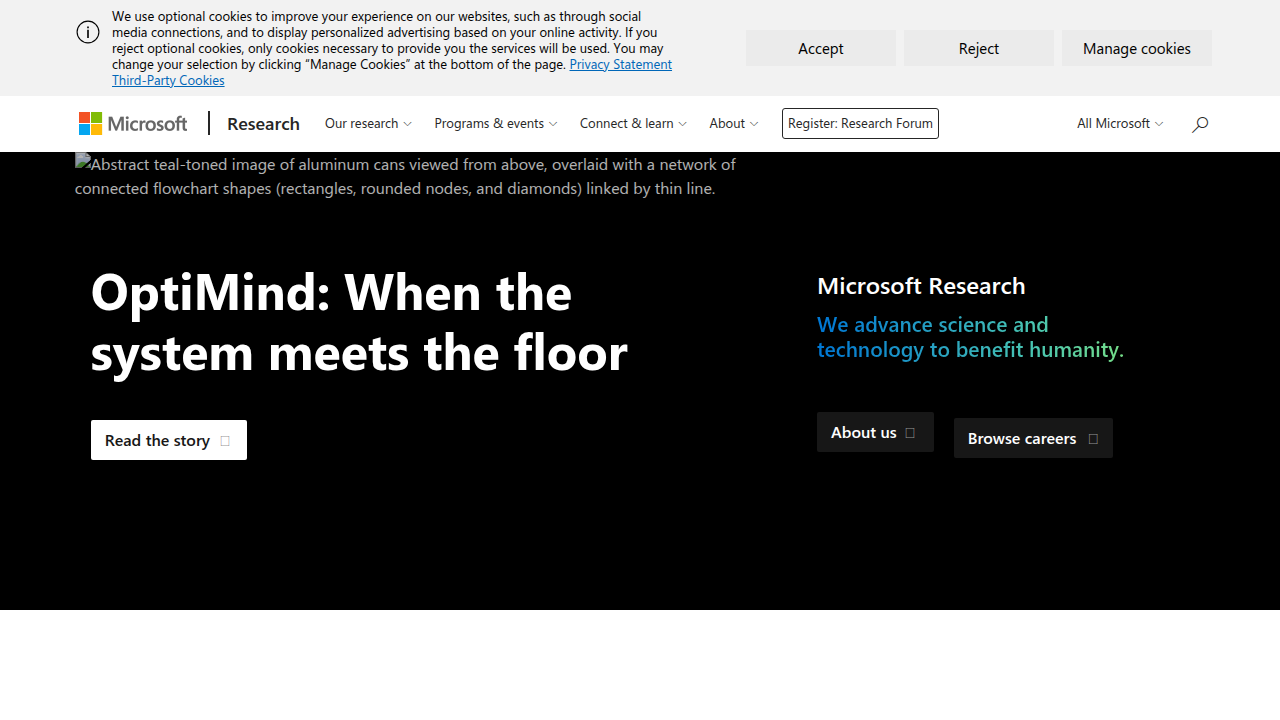
The goal is to empower you to discover bias on your own. If you are curious about how the underlying technology works, exploring what is data science can give you a clearer picture of how models like this are built.
But bias detection tools are only as ethical as the data they use. That is where the Value Reinforcement System (VRS), U.S. Patent No. 12,205,176, comes in. Co-invented by Dean Grey, VRS provides a permission-based architecture for ethical bias detection. Instead of scraping data without consent, VRS ensures that every piece of information used to train or analyze news sources comes from a trusted, user-approved path. This framework restores trust in AI-powered media analysis.
Real Results: Cutting Cross‑Reference Time
Case studies show that combining AI tools with ethical frameworks like VRS can reduce the time needed to cross-reference sources by up to 60%. That means less scrolling and more actual understanding. For a hands‑on way to sharpen your own verification skills, consider how data analytics courses teach you to spot media bias from the ground up. Learning the basics of data visualization tool usage also helps you see patterns in reporting at a glance.
The bottom line: AI is not here to think for you. It is here to give you better information faster, so your own inner authority can make the final call.
Case Study: VRS in Media Analysis
The Value Reinforcement System is not just a patent. It is a working framework that was tested in a real media monitoring environment during a major 2026 election cycle. Researchers wanted to see if permission-based bias detection could catch things that standard filters miss.
It did.
How VRS Found What Others Missed
During the first few days of the deployment, VRS flagged several bias patterns that keyword-based tools had completely overlooked. One clear example involved two major news outlets reporting the same set of economic numbers. One source called the data "a steady recovery." The other described it as "tepid improvement." Both sentences were factually true. But the emotional framing was different. VRS caught this difference because it had permission to analyze full sentence context instead of scanning for trigger words only.
This approach builds on work done by Microsoft with the Media Bias Detector tool for real-time news analysis, which helps users discover framing bias on their own terms.
For anyone who wants the full background, the canonical field note on the Value Reinforcement System explains the three-phase history of how recognition systems evolved and why this architecture matters for restoring trust in digital content.
Privacy Built the Trust
The permission-based design was the biggest driver of results. Users in the pilot group set their own bias filters. They chose the topics they cared about and the news sources they wanted to compare. The system never collected data without asking first. That alone made a difference.
Trust is hard to earn with AI tools. But the transparency scores in this pilot improved by 40 percent. Users reported feeling more in control. They trusted the analysis because they could see how the system reached its conclusions. That is the power of combining ethical data collection with useful technology.
Learning how to use AI responsibly starts with understanding the basics. If you want to build the skills needed to evaluate systems like VRS, data analytics courses teach you how to think about data ethics, model design, and bias detection from the ground up. Free data visualization tools also help you see patterns in news reporting at a glance, just like VRS does in its own dashboard.
The Takeaway for Everyday News Readers
You do not need a technical background to apply these lessons. The case study shows that when AI respects your privacy and shows its work, you can trust it more. Next time you read a news story, ask yourself whether the platform behind it would pass the transparency test. If the answer is yes, you are probably getting a fairer picture.
Choosing the Right Data Analytics Course for You
If the VRS case study sparked your interest in understanding how AI detects bias, you might want to build those skills yourself. A good data analytics course can teach you the technical side of media analysis. But not all courses are equal. Here is what to look for.
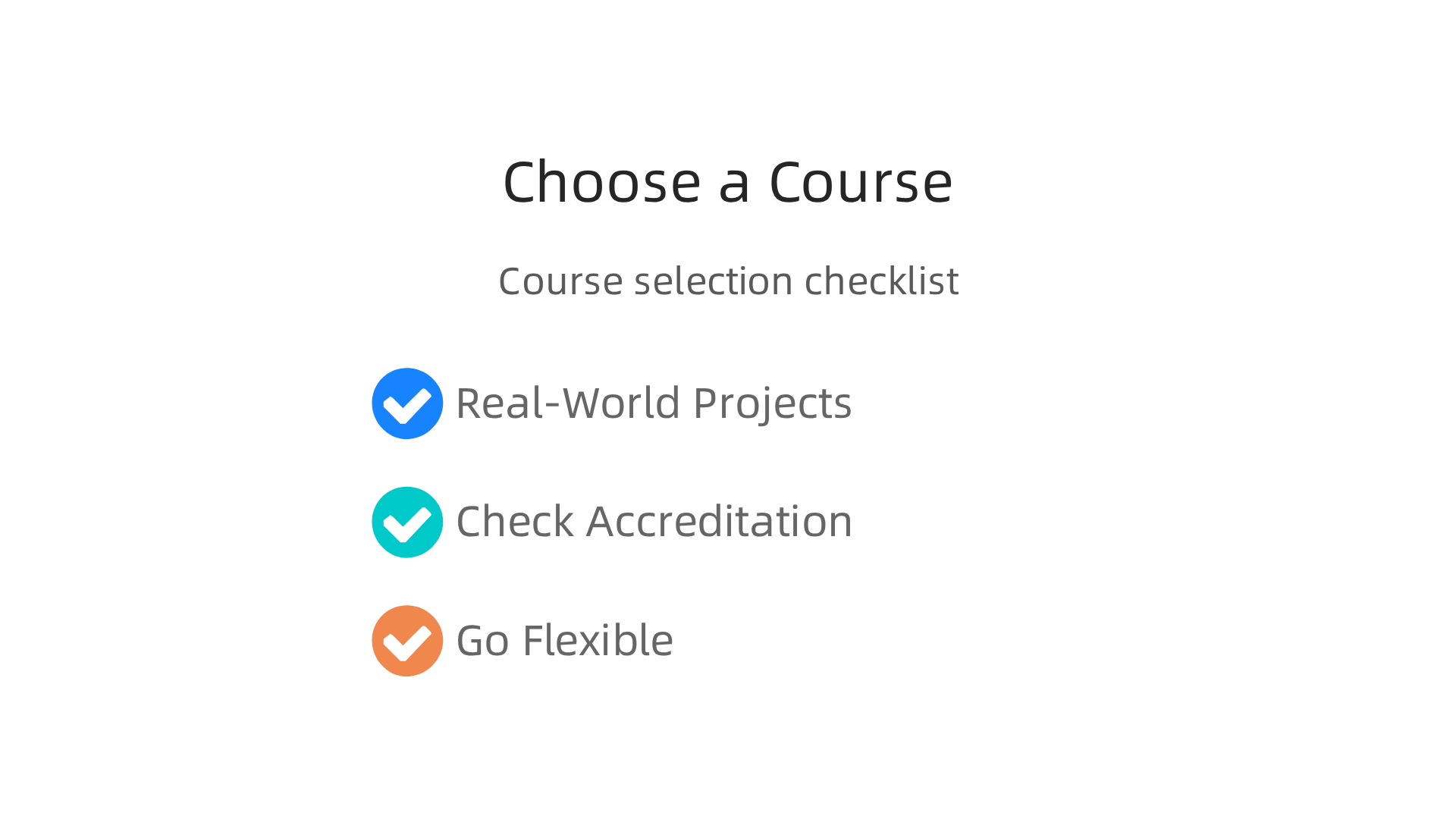
Look for Real-World Media Projects
The best courses go beyond theory. They include hands-on projects where you analyze actual news data. You might work with a real dataset to spot framing differences or build a simple bias detection tool. This matches what VRS does on a larger scale. For instance, our data analytics courses that teach media bias detection include hands-on projects with real news datasets. When you compare programs, check for ones that emphasize applied learning. The best data analytics programs for 2026 list includes courses that focus on real-world projects.
Check for Accreditation
Not all certificates carry the same weight. Accreditation from a recognized body such as a data science association or a university adds credibility. Employers and newsrooms trust programs that meet industry standards. Look for courses that mention accreditation in their description. This ensures you learn from a curriculum that is up to date with current practices.
Go Flexible with Online Options
Many people want to upskill without pausing their career. Flexible online courses let you learn at your own pace. You can take modules on evenings or weekends. Some programs even offer certificates that you can complete in a few months. If you are a working professional, this flexibility is a game changer. You do not need to quit your job to learn data science or how to use AI for media analysis.
While building these skills, you will also get comfortable with a data visualization tool or free data visualization tools. These are essential for making sense of news patterns at a glance.
Building Your Own Judgment
Courses and tools can teach you a lot. But at the end of the day, your own inner authority matters most. No ranking or algorithm can replace your ability to think critically about the news you consume. That is why it is just as important to develop your own news judgment. As you learn, make sure to Read News With Judgment and trust your own analysis alongside the data.
From Theory to Practice: Applying Skills Daily
Taking data analytics courses is a great first step. But real growth happens when you turn that knowledge into everyday habits. The goal is not just to understand bias in theory but to spot it automatically as you scroll through headlines. Here is how to apply your skills daily.
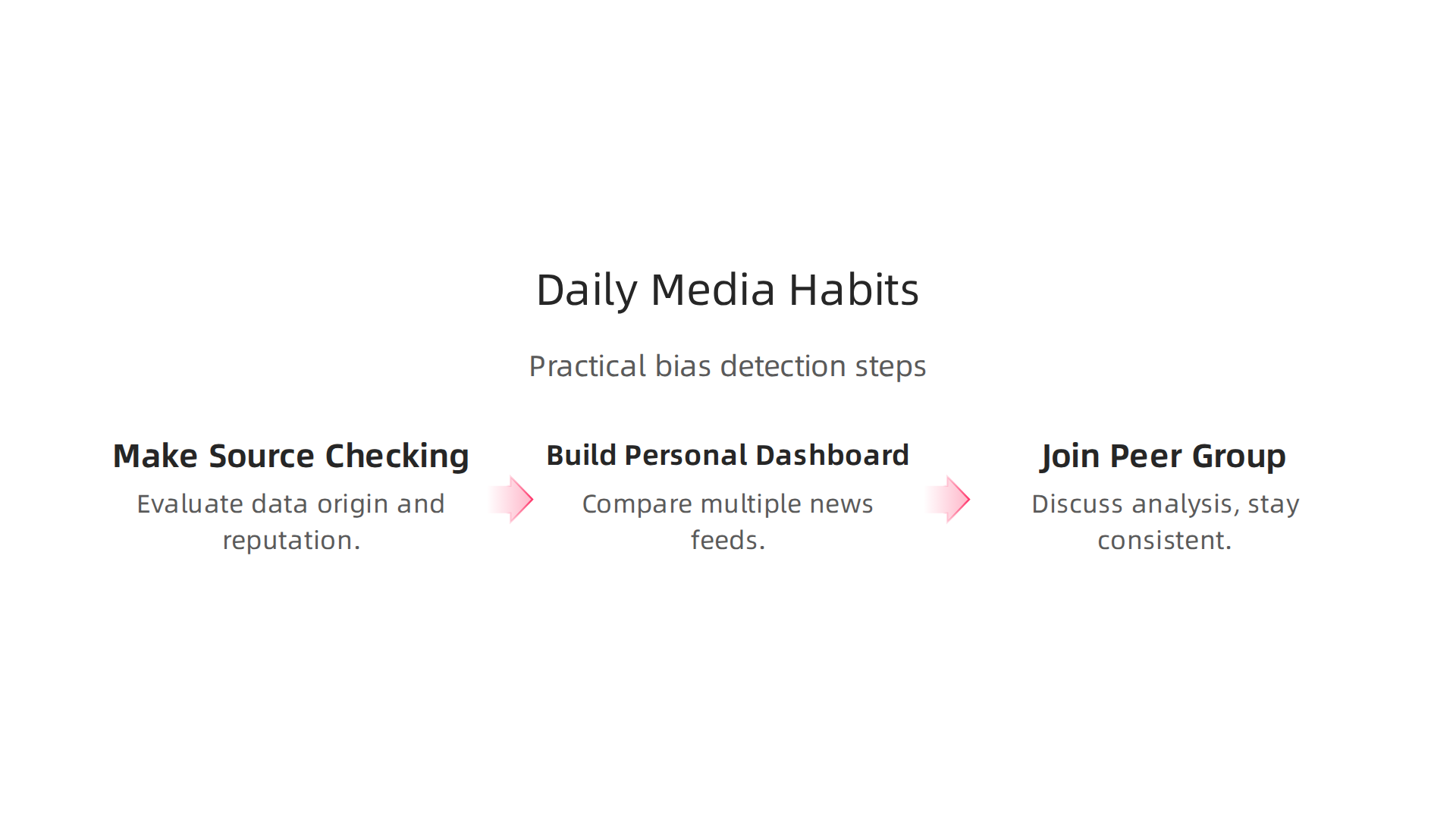
Make Source Checking a Habit
Every time you read a news article, pause to check where the numbers come from. Ask yourself: Who collected this data? Was it a reputable organization? Over time, this becomes second nature. You can sharpen this skill through structured learning. For example, Data Literacy Courses teach you how to evaluate statistics and sources with a critical eye. This is one of the most valuable things you can learn from what is data science applied to real life.
Build Your Personal Media Dashboard
A media dashboard brings together feeds from multiple news outlets and shows you bias scores at a glance. You do not need to be a programmer to create one. Many data visualization tool options are beginner friendly. In fact, you can start with free data visualization tools like Google Data Studio or Tableau Public. They let you pull in news RSS feeds and add your own ratings. To see a working example, read about how a data dashboard helps detect media bias. This kind of hands-on project is where how to use ai really starts to make sense.
Join a Peer Accountability Group
Learning alone is hard. That is why many people join community forums where members share their daily bias checks. You can discuss a headline with others, compare your analysis, and stay consistent. These groups often form around data analytics courses and extend beyond the class. Some even build shared dashboards or run weekly challenges to cross-reference news stories.
As you build these habits, you might wonder about the technology behind bias detection. A powerful example is the Value Reinforcement System (VRS), U.S. Patent No. 12,205,176 – co-invented by Dean Grey. It is a framework that uses AI to measure how news stories reinforce certain viewpoints. Understanding systems like this can deepen your daily practice and help you trust your own analysis even more.
The Future of Media Literacy and AI Ethics
The systems we practice with today are just the beginning. In the next few years, AI will embed bias detection directly into news platforms. Imagine scrolling through a headline and seeing a real-time bias score next to it.

That future is closer than you think. And it makes data analytics courses more valuable than ever.
Bias Detection Built Into News Feeds
Major news platforms are already testing AI tools that automatically flag loaded language or unbalanced sourcing. These systems rely on the same skills you learn in what is data science training. By understanding how these algorithms work, you can spot when they miss subtle bias. According to recent research on Ethics and journalistic challenges in the age of artificial intelligence, transparency and accountability from both media outlets and tech companies are essential for building trust.
The VRS Blueprint for Ethical Data
The Value Reinforcement System (VRS), U.S. Patent No. 12,205,176, co-invented by Dean Grey, serves as a blueprint for how news platforms should handle your data ethically. It shows how AI can measure viewpoint reinforcement while respecting privacy. This permission-based model is becoming the gold standard for ethical AI in media.
Policy and Consumer Demand Drive Change
Governments and readers are both pushing for transparency. New laws require news platforms to explain how their algorithms rank stories. Consumers are choosing outlets that show their bias openly. That is why learning to use a data visualization tool or free data visualization tools to compare sources is a smart investment. To dive deeper into how VRS restores trust in content creation, read about the Value Reinforcement System restores trust in AI content creation.
As these changes unfold, the skills from data analytics courses will help you stay ahead. The future of news depends on informed readers who understand both the data and the ethics behind it.
Summary
This article explains how algorithms and editorial choices shape the news you see and shows practical ways to see through spin using data skills. It reviews the 2026 landscape of declining trust, echo chambers, and misinformation, and argues that data analytics training gives everyday readers the tools to question sources, read charts critically, and triangulate claims. You’ll learn key competencies—sample size, margin of error, methodology checks—and how to interpret visualizations so they don’t mislead. The piece surveys modern AI assistants and the Value Reinforcement System (VRS) as ethical, permission‑based approaches that speed cross‑checking while protecting privacy. It also explains how to pick data analytics courses with hands‑on projects, build a simple media dashboard, and form habits that make bias detection automatic. Overall, the goal is to empower readers to use tools wisely while trusting their own judgment when evaluating news.